
Public
Cultural significance of gambling across societies a historical perspective
Cultural significance of gambling across societies a historical perspective
The Origins of Gambling in Ancient Cultures
The practice of gambling has roots that date back thousands of years, with evidence suggesting its existence in ancient civilizations such as Mesopotamia and China. Archaeological findings indicate that dice made from animal bones were used in these early societies, serving as a means of divination as well as entertainment. Gambling in ancient times was not merely a game of chance but often intertwined with religious and spiritual beliefs, highlighting its cultural importance beyond mere recreation.
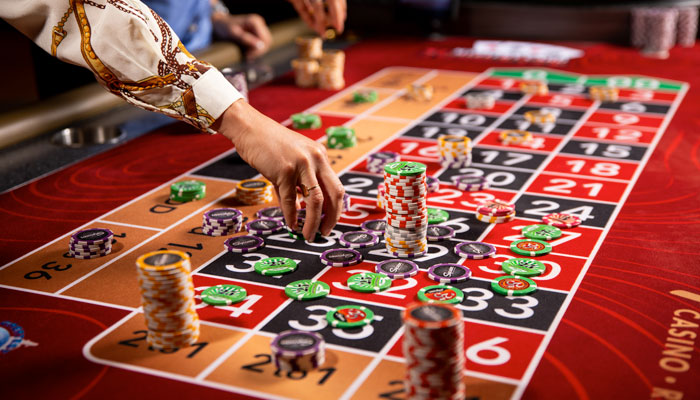
In ancient Egypt, for instance, gambling was associated with fortune and fate, believed to be governed by the gods. The Egyptians created games of chance that were part of various rituals, and they often gambled on the outcomes of life events. This deep-rooted association between gambling and spirituality showcases how integral these practices were in shaping social dynamics and cultural narratives across civilizations. to predict
Similarly, in ancient Rome, gambling was a popular pastime among the elite and common citizens alike. The Romans developed numerous games, including dice and betting on gladiatorial contests. The Roman Empire’s embrace of gambling reflects its broader cultural themes of risk, power, and competition, and these practices were crucial in fostering social bonds through shared experiences of chance and luck.
Gambling in Medieval Societies
The medieval period saw a transformation in the perception of gambling, especially with the rise of organized games and betting systems. During this time, gambling was often viewed through a moral lens, with the Church frequently condemning games of chance as sinful. However, despite ecclesiastical opposition, gambling remained prevalent in various forms, from card games to betting on tournaments. This tension between moral authority and popular practice underscored a fascinating contradiction within medieval culture.
The introduction of playing cards from the East in the late Middle Ages revolutionized the gambling landscape in Europe. Cards quickly became a symbol of status among the nobility, further embedding gambling within social hierarchies. Tournaments and fairs provided venues for these games, and participants would often wager significant sums, demonstrating how gambling was interwoven with social stratification and community engagement.
Moreover, the rise of gambling houses in urban centers marked a significant shift, as these establishments created a more structured environment for betting. The emergence of regulations around gambling also reflected its growing importance in societal functions, allowing for revenue generation for local governments while managing the risk of excess. This indicates that gambling was not only a form of entertainment but also a vital economic activity during the medieval period.
Gambling in the Age of Enlightenment and Beyond
The Enlightenment era brought about a surge in philosophical inquiry and rational thought, which significantly impacted attitudes towards gambling. The establishment of state-sponsored lotteries in the 17th and 18th centuries exemplified how governments began to see gambling as a viable means of funding public projects. These lotteries often funded infrastructure such as roads and schools, illustrating how gambling transitioned from a private vice to a public good in the eyes of society.
In addition, the proliferation of gaming houses and casinos in Europe during this time catered to an increasingly affluent society. Establishments like the Casino di Venezia became iconic venues for high-stakes gambling, attracting a diverse clientele. The glamour associated with these casinos played a pivotal role in redefining gambling as a sophisticated leisure activity, further embedding it into the cultural fabric of society.
This period also marked the emergence of gambling regulations and the establishment of fair play principles, laying the groundwork for modern gaming laws. These developments highlight how gambling evolved from informal, unregulated activities into structured systems that reflect societal norms and values, emphasizing the balance between risk and reward within the cultural narrative.
The Modern Perspective on Gambling
In contemporary society, gambling continues to hold significant cultural importance, evolving alongside technological advancements and shifting societal attitudes. The rise of online gambling platforms has democratized access to gaming, allowing individuals to partake in gambling activities from the comfort of their homes. This digital transition reflects broader societal trends toward convenience and accessibility, illustrating how gambling adapts to modern lifestyles.
Additionally, gambling has been recognized as a significant economic contributor, with many countries benefiting from the revenue generated through taxes and employment in the gaming sector. The juxtaposition of potential benefits against the risk of addiction raises ongoing debates about the societal implications of gambling. These discussions are critical as they shape policies that seek to promote responsible gaming while recognizing its cultural significance.

The Role of Online Casinos in Cultural Practices
In recent years, online casinos have emerged as a transformative force within the gambling landscape, offering users a wide array of games and betting options at their fingertips. Platforms such as RollXO casino have capitalized on this trend, providing an engaging and immersive experience for players. The convenience of online gaming has made it accessible to a broader audience, breaking down geographical barriers and expanding the cultural reach of gambling.
Moreover, online casinos often incorporate elements of social interaction, enabling players to connect with others through virtual tables and live dealer games. This aspect fosters a sense of community among players, reminiscent of traditional gambling environments, while also adapting to the digital age. The cultural significance of these platforms reflects a blend of traditional gambling practices with contemporary technology, illustrating how gambling continues to evolve.
The growth of the online casino industry also raises pertinent questions about regulation and responsible gambling. As more individuals engage in online betting, ensuring player protection and promoting safe gambling practices have become essential. This intersection of culture, technology, and responsibility exemplifies the ongoing negotiation between tradition and modernity in the realm of gambling.
